
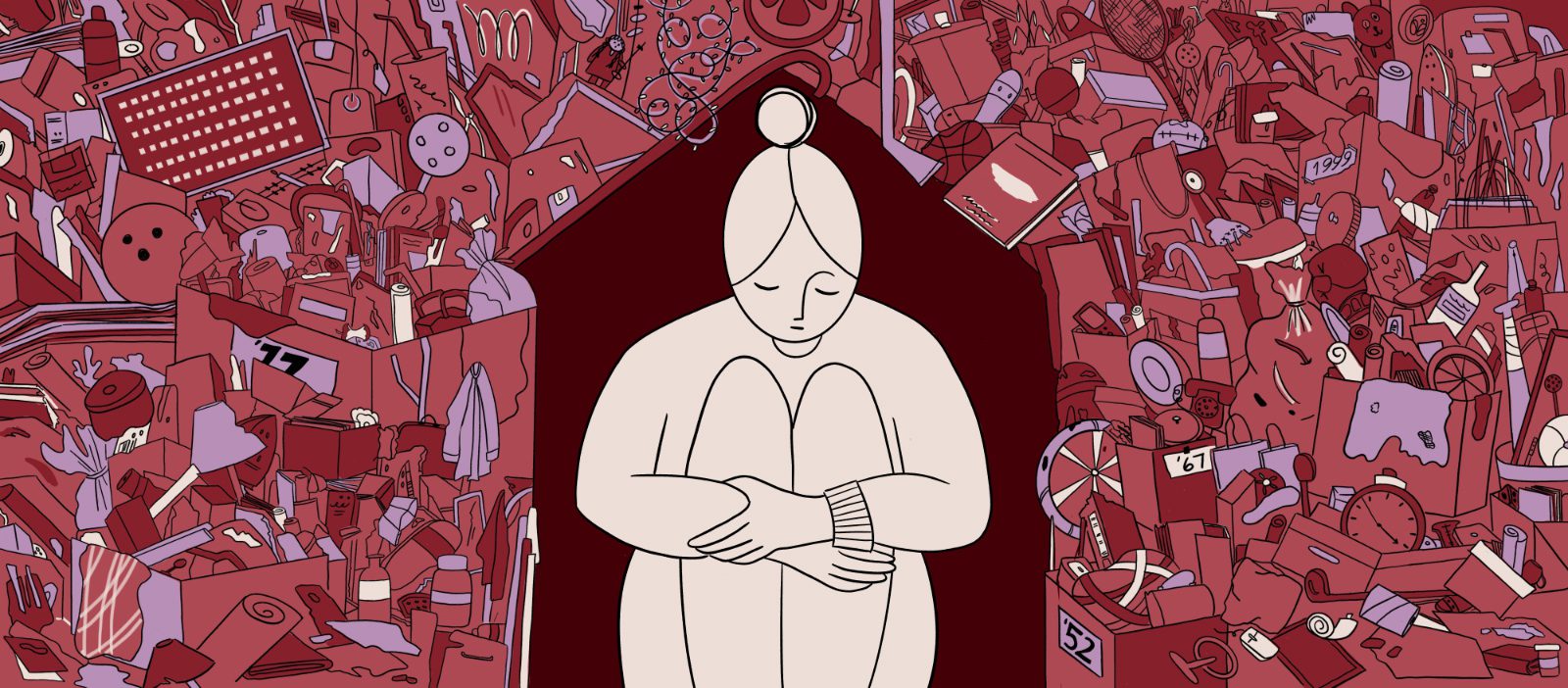
Our attachments to physical possessions are complex, multilayered, and often linked to life experiences — especially within immigrant communities.
I recently contributed to an article on the website Hyphen about hoarding tendencies and how it affects immigrants and refugees.
From childhood, Nina Laqman knew there was something different about her family home. The living room was lined with multiple glass cabinets filled with trinkets and random collections of ornaments filling every shelf — small ceramic animals, tiny globes, mosque figurines and a vast array of lanterns. Empty plastic containers and carrier bags holding yet more carrier bags were piled together in the kitchen. Empty shampoo and shower gel bottles had taken over the bathroom.
“There was just a lot of clutter — things that you didn’t really need to hold on to,” says Laqman, now 28. “When I would go to friends’ houses, I noticed that they had a lot less and the things they did have, they really loved.”
Laqman, who spoke to Hyphen under an assumed name, comes from a working-class family of five in north London. Her parents are both from Bangladesh. Over the years, her mother’s accumulation of “stuff” has caused significant stress for Laqman and her two siblings, and has also led to conflict with her father.
I think it’s a fascinating point of discussion for several reasons. You can read the full article here
I have also written a clinician’s guide on the subject, referenced in the article and available through Amazon.

